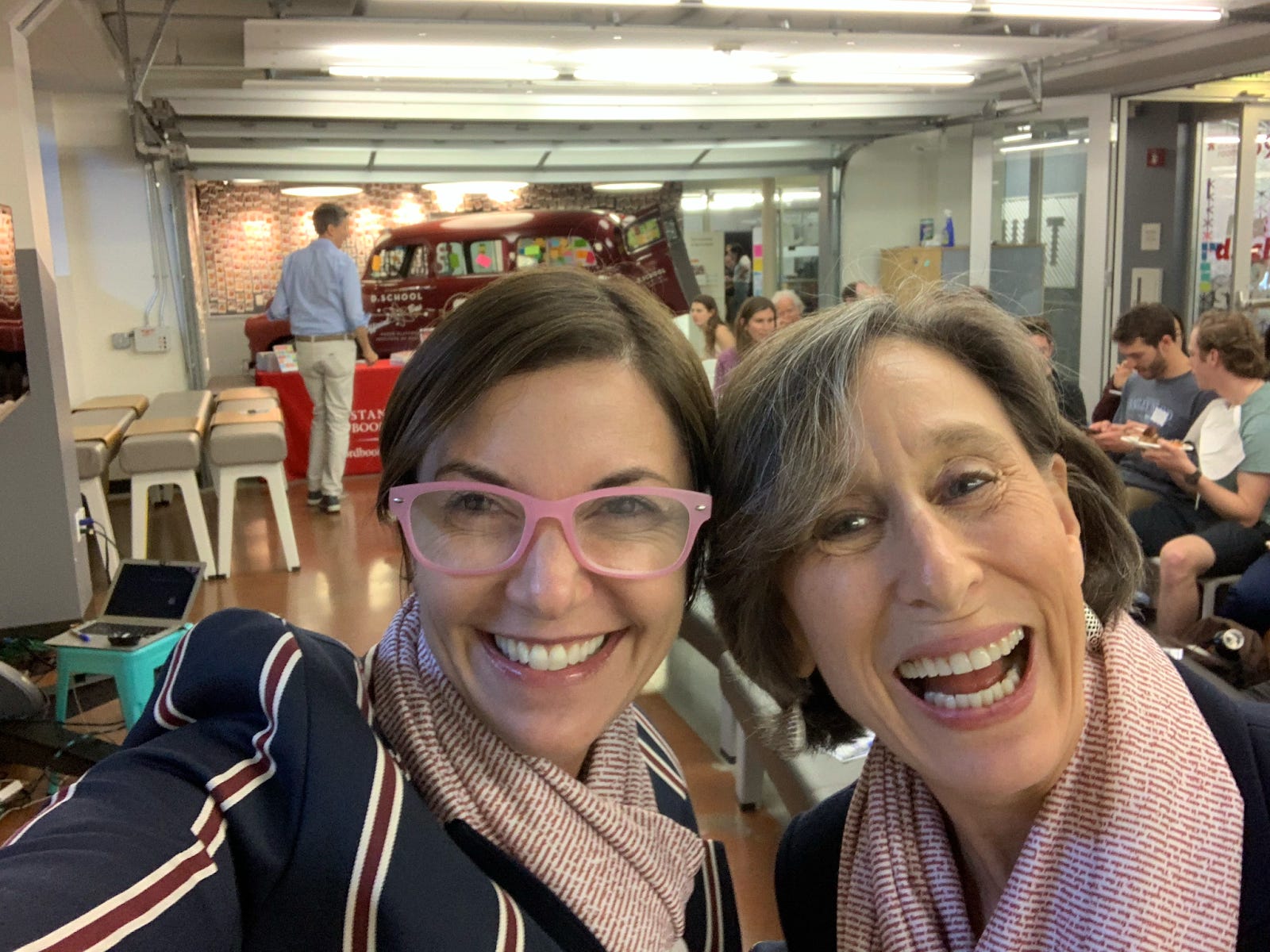
Season 3 of How We Future is in Session
With Tina Seelig, Author of What I Wish I Knew About Luck

I often think about the fact that we’ve all taken history classes, but almost none of us have taken futures courses. Learning history is important, no doubt. But it is an incomplete guide for helping us shape new futures.
In our first two seasons, How We Future amplified stories of hope and bright spots, told with enthusiasm and gratitude (see Substack post on Hope, Hype and Gratitude).
This season, we’re getting even more intentional. Think of Season 3 as a learning lab—a collection of the “classes” and lessons we need but were never taught.
There is no better person to help us kick off this curriculum than my dear friend and Stanford colleague, Tina Seelig. Tina has spent decades teaching creativity, innovation, and entrepreneurial thinking at Stanford. We taught a class together called ‘Inventing the Future’ for many years. She’s one of the very best.
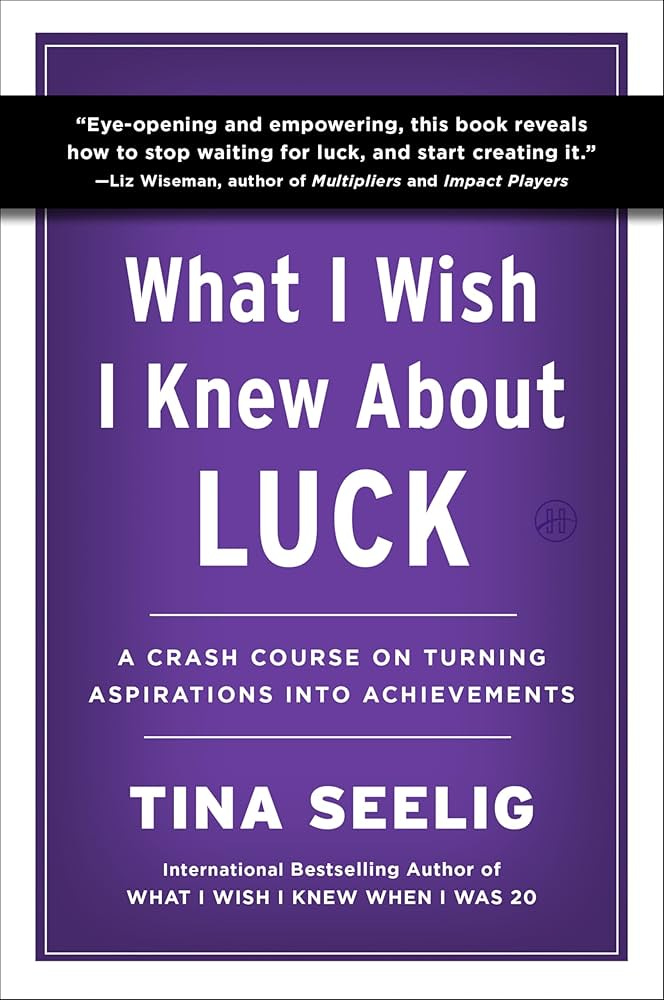
Tina is currently the Executive Director of the Knight-Hennessy Scholars program, and the author of multiple best selling books. Her latest, What I Wish I Knew about Luck: A Crash Course on Turning Aspirations Into Achievements, explores the idea that luck isn’t random. It’s something we can all learn to harness if we know the strategies to catch it.
Course: Architecting Your Own Luck
Instructor: Tina Seelig (Author of What I Wish I Knew About Luck)
Class Exploration: Can you learn to be more lucky?
Is luck a thing that happens by chance, or can you learn actions and behaviors that increase your chances of being lucky?
Tina has been thinking about and studying luck for decades.
“Capturing luck is a skill that can be mastered. The key is understanding the physics of luck and how to apply it to reach your goals. There is no magic.”
Luck doesn’t have to be random. According to Tina, it’s a ‘wind’ that is always blowing. How do you build a ship capable of catching the breeze? Through accessible and practical practices, Tina teaches us how to build our boat, recruit our crew, and hoist our sail.
What to Listen For:
As you dive into this episode, I want you to keep three specific “architectural” shifts in mind:
Fortune vs. Luck: Tina makes a critical distinction here. Fortune is what happens to you (the weather). Luck is how you respond (how you sail). One is out of your hands; the other is something we can actively harness.
The “Surface Area” of Gratitude: We often think of thank-you notes as polite closure. Tina reframes them as possible openings to meaningful relationships and opportunities. She shares a staggering story of a thank-you note that traveled through forty years and three generations, proving that appreciation is a long-game investment in your own future luck.
Making Yourself “Easy to Help”: This is a game changer (and, no ChatGPT didn’t write that - I really think this is that big of a deal.) Luck often happens within and among relationships. Tina breaks down how the way we ask for help—being specific rather than asking to “pick someone’s brain”—determines whether people clear a path for us or hit delete.
“I used to think... and now I think.”
In my d.school class, View from the Future, we always end with student reflections. After talking to Tina, my own reflection was this:
I used to think luck was a matter of being in the right place at the right time. And NOW I think luck is a matter of showing up in the right way so that any place can become the right place.
Tina reminds us that there is a “gift in every room”—it’s just up to us to find it.
I’d love to hear your “I used to think… and NOW I think” after listening to the episode. Comment below!
Listen to the episode on:
Find out more about the episode and read along:

Follow How We Future:
Want to contact us? Email hello@howwefuture.com